Here are some March marketing ideas for business owners:
Spring Cleaning Sale: Use the start of spring to offer a special promotion or sale to customers. This could be a discount on certain products or services, or even a buy-one-get-one-free deal.
St. Patrick’s Day Promotion: Capitalize on the St. Patrick’s Day holiday by offering green-themed products or services, or even a special promotion for customers who wear green to your store.
Women’s History Month: March is Women’s History Month, so consider highlighting female entrepreneurs or featuring women-owned businesses on your social media platforms.
National Nutrition Month: If you’re in the health and wellness industry, use National Nutrition Month as an opportunity to promote healthy eating habits and offer tips for staying healthy.
March Madness: Basketball fans are always excited for March Madness, so consider running a promotion or contest that ties into the tournament. You could offer a discount to customers who correctly predict the winner of the tournament.
International Women’s Day: March 8th is International Women’s Day, so consider offering a special promotion or event to celebrate women in your community.
Spring Break Promotion: If your business is located in a popular spring break destination, use this opportunity to attract tourists with special deals or packages.
Daylight Saving Time Promotion: As the clocks spring forward, offer customers a discount on products or services that help them adjust to the time change.
National Puppy Day: March 23rd is National Puppy Day, so consider partnering with a local animal shelter to raise awareness and funds for the cause.
Social Media Giveaway: Host a social media giveaway to engage with your audience and drive traffic to your website or physical location. This could be a contest where customers share their favorite spring activity or post a photo of them enjoying your products.
Creating an effective marketing calendar yearly can be tedious but very helpful. It helps get your whole team on the same page with expectations, what is coming up to communicate to the public and how everyone can help.
In this step-by-step process, I’ll walk you through how to create a marketing calendar to coordinate your marketing efforts.
So, let’s get started:
1. Determine the special events/holidays for your industry that you want to optimize
2. Decide which channels you’ll use
3. Review a system or template that is easy for everyone on your team to use
4. Determine the team members involved
5. Brainstorm content ideas
Holiday Marketing Calendar for 2023
Here is a list of useful holiday marketing calendars that you can use to plan your marketing campaigns for 2023.
January 2023
January 1 – New Year’s Day
January 1 – Science Fiction Day
January 14 – National Dress Up Your Pet Day
January 17 – Martin Luther King Jr Day
January 20 – Get to Know your Customers Day
January 29 – National Puzzle Day
February 2023
February 1 – Lunar New Year
February 9 – World Pizza Day
February 14 – Valentine’s Day
February 15 – Singles Awareness Day
February 21 – Presidents’ Day
March 2023
March 1 – Mardi Gras
March 2 – Ash Wednesday
March 8 – International Women’s Day
March 17 – St. Patrick’s Day
March 18 – World Sleep Day
March 19 – Let’s Laugh Day
April 2023
April 1 – April Fool’s Day
April 10 – Siblings Day
April 17 – Easter
April 22 – Earth Day
April 27 – Denim Day
May 2023
May 3 – Teachers’ Day
May 5 – Cinco de Mayo
May 8 – Mother’s Day
May 13 – Friday the 13th
May 30 – Memorial Day
June 2023
June 8 – Best Friends Day
June 14 – Flag Day
June 19 – Juneteenth Independence Day
June 19 – Father’s Day
June 21 – First Day of Summer
July 24 – Parents’ Day
July 2023
July 4 – Independence Day / 4th of July
July 8 – National Video Games Day
July 17 – World Emoji Day
July 17 – Ice Cream Day
July 20 – National Hot Dog Day
July 30 – Friendship Day
August 2023
August 5 – International Beer Day
August 8 – International Cat Day
August 9 – Book Lovers Day
August 26 – National Dog Day
September 2023
September 5 – Labor Day
September 11 – Grandparents Day
September 21 – International Day of Peace
September 22 – First Day of Autumn / September Equinox
September 27 – World Tourism Day
September 30 – International Podcast Day
October 2023
October 5 – World Teacher’s Day
October 10 – World Mental Health Day
October 24 – Diwali
October 31 – Halloween
November 2023
November 6 – Daylight Savings Time
November 11 – Veterans Day
November 15 – National Entrepreneurs Day
November 24 – Thanksgiving
November 25 – Black Friday
November 26 – Small Business Saturday
November 28 – Cyber Monday
December 2023
December 16 – National Ugly Christmas Sweater Day
December 18 – Free Shipping Day
December 24 — Christmas Eve
December 25 — Christmas Day
December 26 — Boxing Day
December 31 — New Year’s Eve
Final Thoughts
As you saw in the previous sections, a marketing calendar is absolutely essential for a business. You need to decide on the format of your calendar, plan ahead and optimize your strategy along the way. The more details you put down, the easier it will be to keep track of your efforts and performance.
If you decide you want to take it to the next level, you can download or create a marketing calendar template of your own that you’ll be able to use year after year.
Our marketing team uses Shutterstock collection on top of taking photos ourselves
On-page SEO
These sources can help you conduct an on-page SEO strategy:
Moz Open Site Explorer is a good place to start for an overview of your current SEO situation. With this software, you can also check the position of competitors on Google.
Finding the keywords that your ideal prospects use to search for your company is vital. SemRush is a great software for keyword research.
Ahrefs is a goldmine for effective keyword research and SEO audit (on top of that, they provide tons of educational content)
Here are some marketing resources for business owners:
Google Analytics: Google Analytics is a free tool that tracks website traffic and provides valuable insights about your visitors, such as their demographics, interests, and behavior.
HubSpot: HubSpot is a popular marketing automation platform that provides tools for email marketing, lead generation, social media management, and more. They offer a free plan with limited features, as well as paid plans with more advanced capabilities.
Canva: Canva is a user-friendly graphic design tool that allows you to create professional-looking images, social media graphics, and marketing materials, even if you have no design experience.
Mailchimp: Mailchimp is a popular email marketing platform that allows you to send targeted email campaigns to your subscribers. They offer a free plan for up to 2,000 subscribers, as well as paid plans with more features.
Hootsuite: Hootsuite is a social media management tool that allows you to schedule and publish posts, track engagement, and monitor your brand’s reputation across multiple social media platforms.
Moz: Moz is a popular SEO tool that provides keyword research, on-page optimization, link building, and other SEO services to help improve your website’s search engine ranking.
SEMrush: SEMrush is another popular SEO tool that provides keyword research, competitor analysis, and site audit tools to help optimize your website’s performance.
Google Ads: Google Ads is a pay-per-click advertising platform that allows you to target specific keywords and demographics to reach potential customers. It can be a powerful tool for driving traffic to your website and generating leads.
Facebook Ads: Facebook Ads is a pay-per-click advertising platform that allows you to target specific demographics, interests, and behaviors to reach potential customers on Facebook and Instagram.
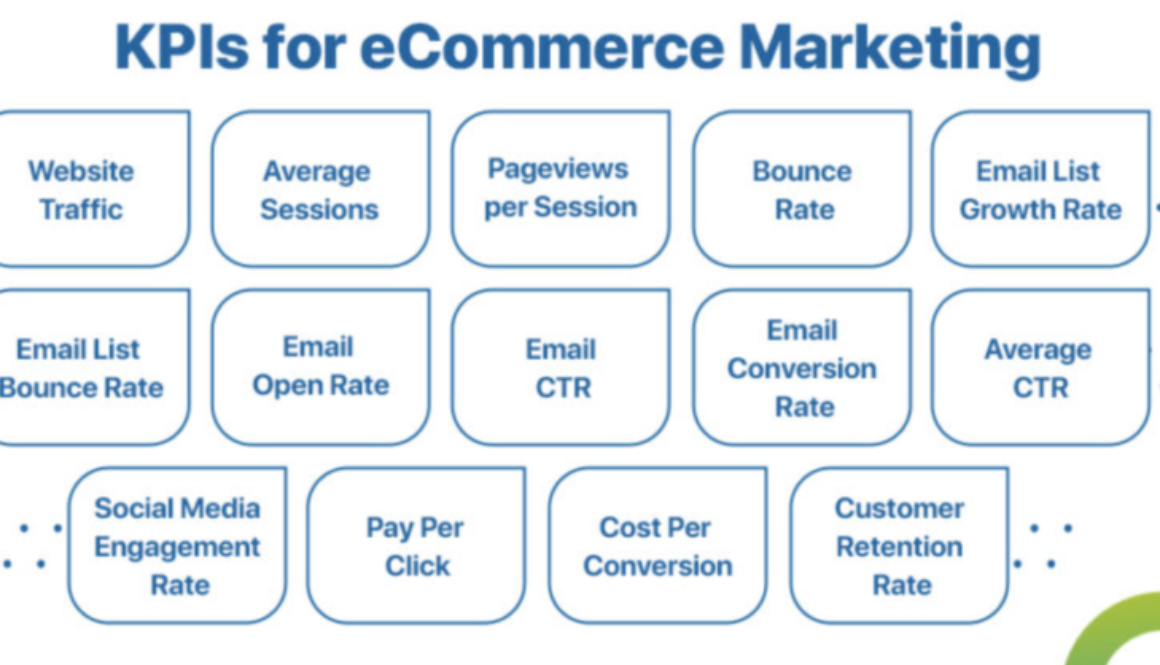
A webshop is a place where your customers can buy your products and services. To make this process as efficient as possible, you need to have KPIs that measure the success of your website. These metrics are also useful in indicating the weaknesses of your webshop for you to take the appropriate remedial measures. This blog post will give you the common KPIs to measure your webshop performance and explain what they can do for you. Let us explore these KPI’s below.
Total Revenue
The Total Revenue is an essential metric that shows you how financially healthy your webshop is. Total Revenue refers to the total income that your webshop generates from all sales of goods or services. If your total revenues are high, your webshop generates a lot of money and is thus financially healthy to offset your expenses. If your total revenues are low, this implies the webshop may be financially unhealthy and will not be as profitable as you anticipate. The Total Revenue can be calculated by the formula below:
Average price per unit (product/service) sold × number of units sold.
The Average Revenue per Product
The Average Revenue per Product refers to the amount of money your webshop will generate from selling a unit of its product or service. Let’s assume your webshop deals in selling lava lamps. Your Average Revenue per Product will refer to the money that your webshop will get from selling one lava lamp. The Average Revenue per Product can be calculated by the formula below:
The Total Revenue of your webshop ÷ number of units sold
Market Penetration
Market penetration refers to how much volume of products or services is sold to customers compared to the total market for these products and services. A brand can use this measure to estimate how valuable their products and services are to their customers compared to products offered by their competitors. The market penetration value of a product or service can be calculated using the formula below:
(Total no. of sales of your brand ÷ Total volume of sales for other similar products) × 100%
Win Rate
The Win Rate refers to a measure of the efficiency of your web shop’s advertising efforts. You can boost the Win Rate of your webshop by identifying the points in your sales funnel where you are losing out on potential opportunities to convert more website visitors. You can achieve this by increasing engagement by offering better and interactive product knowledge to your leads. The Win Rate can be calculated by the formula below:
[No. of impressions won i.e. closed-won deals ÷ (closed-won deals + non closed-won deals)] × 100%
Conversion Rate
The Conversion Rate is also known as the percentage of visitors who take action on your website. These actions can be purchased from your store or subscribed to your email newsletter. It is a measure that portrays how effective your ads, landing pages, and calls-to-action are. A high conversion rate means that your advertisement strategies effectively encourage more people to purchase from your webshop. It measures the number of conversions against the number of leads over a particular period. A lot of traffic does not necessarily imply that the conversion rate will equally be high. Your web shop’s traffic may be high, but very few people may be converting into buying customers. The Conversion Rate is calculated by using the formula below:
(No. of Conversions ÷ No. of Visitors to your webshop, i.e., no. of leads) × 100%
Shopping Cart Abandonment Rate
The Shopping Cart Abandonment Rate is the rate at which your web shop’s visitors (leads) abandon their shopping carts without completing their purchase. When the Shopping Cart Abandonment Rate is high, it means there are underlying challenges in the process. These could be:
High shipping costs
High cost of products
Website errors
A complicated checkout process
It is important to quickly correct these issues because they cause loss of income and Revenue when the sales are not made. The Baymard Institute estimates the global shopping cart abandonment rate for eCommerce stores to be a massive 70%. The Shopping Cart Abandonment Rate is calculated using the formula below:
[(No. of Completed Transactions) ÷ (No. of Created Shopping Carts)] × 100%
Conclusion
Monitoring your web shop’s performance is a necessary practice for brands that wish to thrive in the online business space. Use the KPIs described above to improve your business processes and start the exponential growth of your webshop.
DIY marketing is a thoughtful idea but not a very effective one! This is because the most effective digital marketing strategy needs the touch of an experienced digital marketer. It also saves you unnecessary waste of time, effort, and potential losses from trial-and-error work. A highly qualified digital marketer will efficiently carry out the processes of analyzing results, nurturing and retaining leads, and building websites with good SEO and more. As much as DIY digital marketing sounds like a noble idea, we should leave it in the hands of more qualified professionals!
Give us a call today at 310-340-0619 today and claim your FREE Digital Marketing Audit today! We’ll talk soon.
Digital marketers know the importance of content. They have to create a lot of it to keep their audience engaged and coming back for more. But without careful consideration, they can end up with low-quality content that ends up hurting their SEO.
Most Common Content Mistakes that you are making in your SEO
More brands have increasingly become aware that improving their SEO practices will help them to drive more traffic to their websites. However, it is critical to remember that the best foundation for a brand’s SEO strategies has to be supported by high-quality and valuable content. This blog post looks at seven common mistakes digital marketers make when writing content that harms their search engine rankings.
Keyword Cannibalization
Keyword Cannibalization occurs when search engines like Google rank low priority pages higher than your high priority pages. More often than normal, this happens when you practice keyword stuffing, which is where you attempt to boost your rankings by littering your website content with more than necessary, similar keywords. Other practices promoting keyword cannibalization include having separate pages of related content and having internal links linked to less valuable web page content.
Including Unnecessary Redirects
Including unnecessary redirects is one of the worst things that can ruin the user experience of a website visitor. How often have you encountered that situation where you click on a particular link on a web page and get redirected to another page that you do not even want? This experience can be very annoying and disappointing. If you were expecting to read specific content and get redirected to content you do not need, it most likely makes you abandon the website altogether. If this happens regularly, the website’s bounce rates will increase, negatively impacting your SEO, and in extension, your rankings on the search engine result pages.
Creating Dubious Content Pages
The act of creating dubious pages is one that many content creators are guilty of. Have you ever been in an online situation where the content of particular brands seems to exhibit different characteristics? A brand may post content that appears to convey a specific message, yet the real meaning of the content is something else. For example, many websites contain suspicious links. You may find that clicking on these links may initiate unwarranted downloads that may potentially be malicious. As a brand, offering the best user experience for your users is one of the most high-priority objectives. The presence of dubious pages that contain malicious links amounts to a negative user experience. This practice will gravely hurt your rankings because an excellent user experience is one of the foundations of a strong SEO strategy. Therefore, your SEO ranking will be negatively affected if your website provides a below-par user experience.
Working On Cloaked Content
Google Webmaster explicitly advises against having a separate URL link for it and another for your readers. Many website owners are guilty of this practice. Google considers this malpractice of cloaking content a gross violation of its guidelines because it misleads the public. Google recommends having a single, genuine URL link for both itself and your readers as this will encourage it to place you higher on its search engine results pages.
Copied/Plagiarized Content
Duplicated or plagiarized content will hurt the SEO rankings. Today, the internet is littered with much-plagiarized content to the extent that Google will immediately pick up on whatever plagiarized content you post on the web. Google considers plagiarized content to be of lower quality and, therefore, will rank it more bass than you desire. The probability that this duplicated content is also full of stuffed keywords is high. This problem of plagiarism plus keyword stuffing will have your content graded as low value by the search engines. This will consequently result in lowered website ranking.
Conclusion
Content is king, and it’s important to make sure you are producing high-quality content that will rank well in search engine results pages. But if your content fails to find a balance between great SEO practices and human readership, it can hurt your website’s SEO efforts. Therefore, your content should be authentic, not mislead people, and it should also be free of features like spam links and unnecessary redirects that will hurt your SEO. The 7 we’ve outlined here should be enough to get you started on the right path to considering how your content impacts search engine rankings. Good luck!
DIY marketing is a thoughtful idea but not a very effective one! This is because the most effective digital marketing strategy needs the touch of an experienced digital marketer. It also saves you unnecessary waste of time, effort, and potential losses from trial-and-error work. A highly qualified digital marketer will efficiently carry out the processes of analyzing results, nurturing and retaining leads, and building websites with good SEO and more. As much as DIY digital marketing sounds like a noble idea, we should leave it in the hands of more qualified professionals!
Give us a call today at 310-340-0619 today and claim your FREE Digital Marketing Audit today! We’ll talk soon.
The marketing landscape is changing fast. Marketers must keep up while still maintaining their brand experience across channels that include mobile devices and desktop computers. The future can be bright for those who can deliver personalized experiences at scale and stay through the dynamic world of social media.
To remain relevant and current, marketers need to be knowledgeable about the latest trends in marketing. Here are the six most important ones that will continue into 2022:
Future of Events Will Be Hybrid
During the Covid-19 pandemic, marketers were like tenterhooks when their real-time marketing campaigns and P.R. strategies fell apart due to health advisory restrictions on movement. The cancellation of various in-person events like product launches, press releases, and charity dinners affected the marketing strategies of almost every business.
As business operations such as meetings and conferences went virtual, marketing events became more cost-effective to host. As the world slowly accepts its new normal, more face-to-face interactions continue. Businesses are expected to adopt the hybrid model of events: simultaneously having a virtual and physical event.
The main advantages have been greater reach and attendance, cost reduction and more sponsorship opportunities. The increased engagement with the audience during and after the event will make this a hot trend in 2022.
Content Alignment Will Never Be More Important
The companies that want to gain market share in their respective industries will have to align their business goals with a content marketing strategy. Social media, P.R., and SEO will have to work together to increase the brand’s momentum and credibility in the marketplace.
Content repurposing, syndication, and curation will play a key role in sourcing a website’s content. A company will have to strive to rank on Google by linking its business with diversified topics that add value to its audience. The business will have to place itself as an expert in its industry to build references and connections.
Marketing Companies Will Take More Ownership
The marketing agency industry has grown and has become appealing to businesses that want to reduce their in-house staff costs while increasing sales. Companies that need marketing expertise to grow leads will offer marketing agencies and teams ownership in their business. This will create a win-win situation for the business because the agency will do all it can to increase revenue and, consequently, the company’s value.
Engaging Non-Profits Will Be a Big Part of Marketing Plans
There are two types of business products in any industry that gain a significant market share. Firstly, there are the ones that solve a problem. Secondly, some products have a story to tell and support a cause. The problem with the business that solves the problem is that there is high competition with new versions of products coming into the market daily.
Marketing plans in 2022 will be more of an emotional and psychological play because they will share their stories and support a non-profit cause. Many potential buyers prefer to purchase from businesses that contribute to a Non-Profit and its cause. This is because the customer is persuaded to buy more into the cause and less into the product.
AI Will Make Influencer Marketing Easier and More Results-Driven
Influencer marketing is a yet powerful form of marketing to build your brand and reach new customers. According to Statista, the industry is worth $14 billion. Businesses have started reaching out to local influencers who offer more value.
A.I. can help you find influencers with specific content or themes that will resonate well with the business. The A.I. can curate the posts on social media so people who follow them see them first. This makes the whole process more authentic! Also, with predictive A.I., marketers will only pay influencers for conversions and sales they bring, therefore assuring them of a high return on investment.
Marketers Will Find Alternatives to Third-Party Cookies
The recent rise of data privacy concerns has marketers looking for ways to protect their customers’ information. However, Google will need time before deciding whether or not they want to support third-party cookies from 2020 onward because it’s not until 2023 that consumers can expect changes in how this affects them and businesses alike. Meanwhile, marketers will need to opt for Google’s “Privacy Sandbox” or FLoC (Federated Learning of Cohorts). It allows them to achieve personalization and targeting without intruding on user privacy.
As the world of marketing changes, your business needs to change with it. These 6 Marketing Trends of 2022 are a combination of trends that will continue to grow in the coming years. How many do you already see impacting your business? Which trend has caught your attention and why? Let us know below!
DIY marketing is a thoughtful idea but not a very effective one! This is because the most effective digital marketing strategy needs the touch of an experienced digital marketer. It also saves you unnecessary waste of time, effort, and potential losses from trial-and-error work. A highly qualified digital marketer will efficiently carry out the processes of analyzing results, nurturing and retaining leads, and building websites with good SEO and more. As much as DIY digital marketing sounds like a noble idea, we should leave it in the hands of more qualified professionals!
Give us a call today at 310-340-0619 today and claim your FREE Digital Marketing Audit today! We’ll talk soon.
The digital marketing strategies you put in place for 2022 should create more sales and higher engagement rates than you did in 2021. However, the rapid shifts in the technological landscape and changes in the way brands interact with their customers can make preparing your digital marketing strategy for 2022 quite challenging. If you need a way to stay ahead of the curve, this blog post will help guide you through what your strategy should look like in 2022.
Diversify Your Content Marketing Strategy
Consistent and regular publishing of high-quality content for your audience through blog posts is crucial. Informative content about your brand educates your target audience on ways to solve their problems with your products and services. It takes several high-quality blog posts to convert leads into buyers. Adhering to this practice can boost your website visitors’ chances to end up in your email lists and subscribe to your email newsletters.
Another aspect of effective content marketing is the use of video content. Video content is highly interactive and will exponentially boost your engagement level with your target audience. Moreover, most users have attested to prefer video content instead of other forms of content you may produce. Combining a good content marketing strategy with effective analytics can put your brand on the path towards massive success in 2022.
Optimize for Voice Search
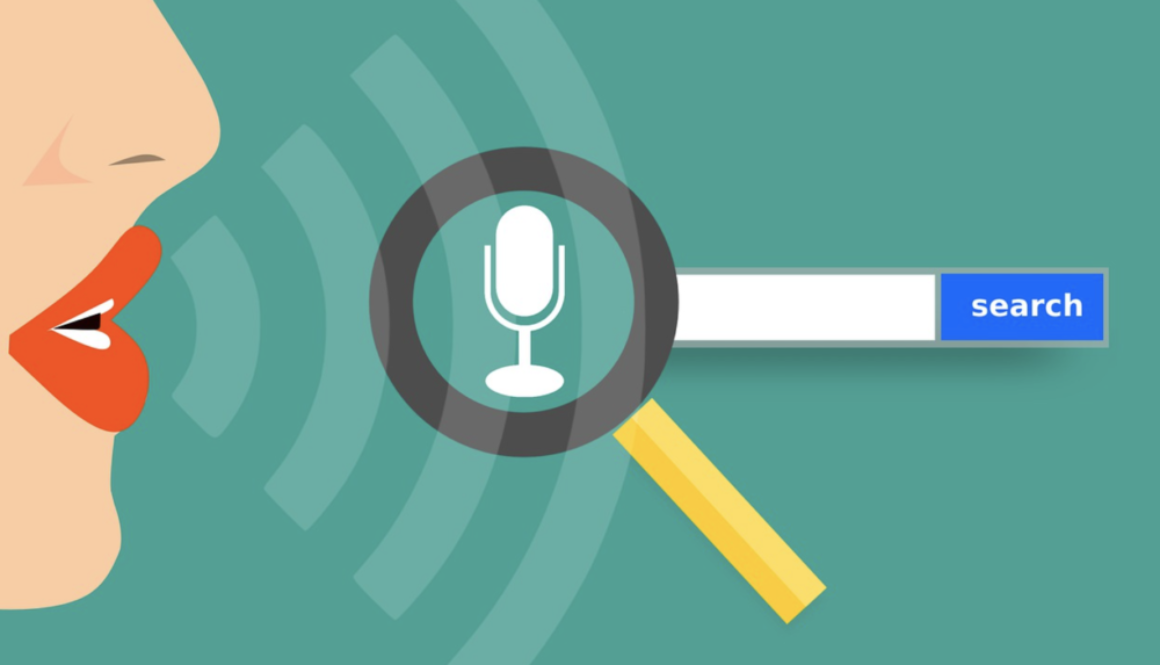
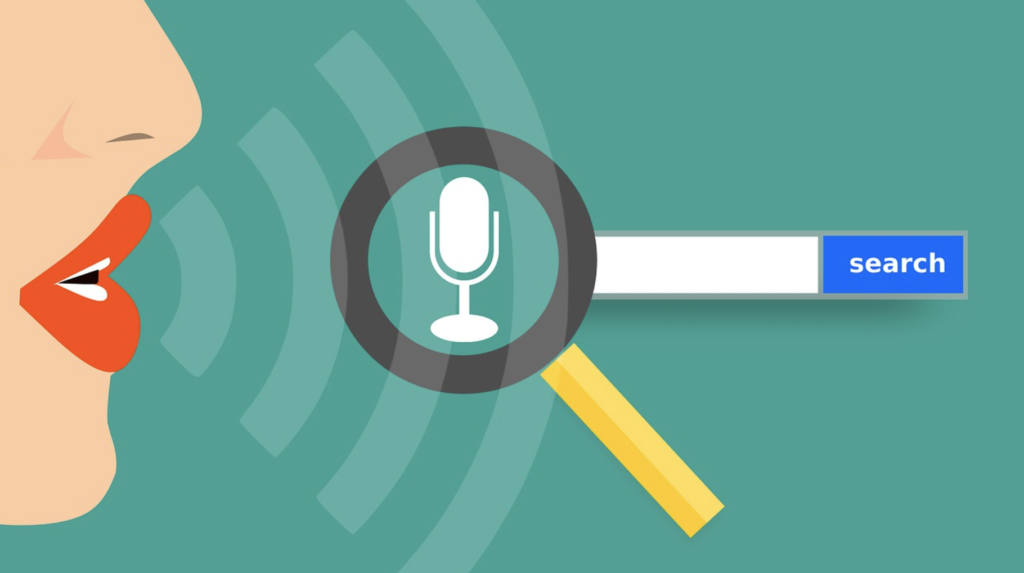
While the traditional typing in text to perform searches is not going anywhere in the foreseeable future, voice search is steadily gaining prominence. By 2020, research shows that 50% of all searches were voice-activated. Businesses that capitalize on this trend in 20211 will potentially capture sales and new customers. Voice search via mobile or through specialized devices like Amazon’s Echo devices provide significant convenience to customers’ online browsing experience. Optimizing your website for voice search will require that you select suitable keywords. Here, the best keywords are the phrases that sound more like what users might say instead of terms that sound better when typed during online searches.
Host More Live Events
Hosting live events more frequently will be one of the ‘go-to’ techniques that most businesses rely on in 2022. The main objective of hosting these events will be to boost the engagement levels with leads on social media platforms. Now, there are various types of events that you can settle for here. A webinar is one good example. Another great way to connect with your audience is by hosting fun Q&A sessions that provide the followers a chance to ask you questions. Use these to display your knowledge and build credibility. Consequently, more and more people will want to know more about your business. Take advantage of the fact that we all like freebies and offer giveaways when your website visitors have successfully participated.
Prioritize Personalization
Most people are more open to interacting with a brand that provides targeted content and special offers tailored just for them. Carefully analyzing the traits of your target market is thus essential. A better understanding of your target customers will allow you to craft a highly personalized digital marketing strategy. In addition, better insight regarding your customers will help you to effectively segment your target audience based on their preferences and problems that they are facing.
Showcase Plenty of Social Proof
Social proof essentially works as a seal of approval and will help you create trust in your target market. It is essential in persuading visitors to your website who are reluctant to take any action at first. One type of social proof is customer reviews. Many buyers make their purchasing decisions based on reviews of other customers that highlight what they think about a particular product or service. Displaying customer reviews on your product page(s) will increase the likelihood that potential customers will make an order.
Another aspect of social proofing is live sales notifications. These usually pop up when website visitors are browsing through eCommerce stores. They see alerts regarding other customers’ purchases and are thus motivated to follow suit.
Ready for the new year?
2022 will be a good year for businesses. However, if you want your business to reap maximum benefits in 2022, you need a solid digital marketing strategy. Use these key issues to create a digital marketing strategy that will boost your website traffic and increase your sales and revenues. Good luck!
DIY marketing is a thoughtful idea but not a very effective one! This is because the most effective digital marketing strategy needs the touch of an experienced digital marketer. It also saves you unnecessary waste of time, effort, and potential losses from trial-and-error work. A highly qualified digital marketer will efficiently carry out the processes of analyzing results, nurturing and retaining leads, and building websites with good SEO and more. As much as DIY digital marketing sounds like a noble idea, we should leave it in the hands of more qualified professionals!
Give us a call today at 310-340-0619 today and claim your FREE Digital Marketing Audit today! We’ll talk soon.
Conducting online searches is the fastest way people look for products and services that they need. If the users know the exact search terms that they can use to get their desired results, the searching process becomes faster and effortless. The best and most appropriate keywords help customers find you quickly and improve the likelihood of not missing out on potential sales.
When performing their online searches, users can input keywords by typing a series of words that are relevant to the products and services they seek. They can also use speech recognition technology and virtual assistants to conduct their searches. The search engines, like Google, require to type in words to match the most relevant content, as displayed. If you are in the business of hair care products, some appropriate keywords to use include hair, hair oil, conditioner, hair shampoos, etc. Failure to highlight these keywords means your website may not be displayed on the search results when the search engine performs a search. The result of which is missed opportunities for brand awareness and sales.
Identifying Keyword Cannibalization
Keyword Cannibalization is where Google may choose to give a higher ranking to pages that are not ‘high priority while lowering the ranking of the pages you wish to have higher rankings. Google does this to punish those who have the habit of using many identical keywords all over their website content (keyword stuffing). This malpractice renders Google incapable of establishing what content it should rank higher.
Identifying keyword cannibalization on your website requires that you search your website and your keywords. Suppose your business deals in hair care products, one possible name for your website would be haircare.com. Let us assume you want to discover the keyword cannibalization for hair conditioners. You will be required to search for haircare.com together with ‘hair conditioner’ and other keywords. From the results, you can conclude whether there are traces of keyword cannibalization. If you happen to see a particular post you uploaded some time ago outranking a more recent post, this is a sure sign of keyword cannibalization.
5 Ways to Prevent Keyword Cannibalization
Merge Content
Merging your website content can maximize the search engine optimization of your website. This technique works best for a situation where two of your pages have related content. In the hair car example, one of the pages may be highlighting the best hair care products your users should try. Another page may provide details about the haircare products that will not be very suitable for your users. Merging these two pages will reduce the likelihood that keyword cannibalization occurs.
Delete Content
Deleting content that is not relevant to your website anymore can also work. As your business grows, you will find it likely that you need the old content less. If this content outranks your most recent website content that you wish would rank higher, you should delete this old content altogether.
Remove Keywords
This tactic will be effective when you wish to remain with specific content but not others. The removal of the unwanted keyword is not detrimental to the website. An easy-to-do technique, this strategy is slow but proves very effective in keeping keyword cannibalization at bay.
Alter Your Internal Linking
Having a link to another web page on your web page makes Google rank the linked web page higher. To prevent keyword cannibalization, you should improve these internal links. You can do this by modifying the internal links so that content is perceived as ‘less valuable’ links to the particular content you deem high priority and valuable. Therefore, when the search engine (like Google or Bing) picks up on this, the linked, high-priority content ranks higher on the search engine results pages.
Change The Inbound Link Request
Changing the inbound link request becomes necessary when less valuable and old content ranks higher than your recent, more helpful content because of links created by other websites. To correct this, you need to first use software that can track backlinks. The second step is to communicate with the relevant webmasters of the linked websites to alter the links or delete them altogether. Your search engine rankings will improve if the webmasters successfully replace the old links with the links that you consider high priority.
What do we do now with all this information?
In reality, keyword cannibalism can happen on any website page because users might search for a product or service using different keywords over time. This means you should always check your analytics data to identify which pages may have been impacted by this issue and the search terms used by visitors who clicked on those links. Use the strategies listed above to minimize keyword cannibalism on your website.
DIY marketing is a thoughtful idea but not a very effective one! This is because the most effective digital marketing strategy needs the touch of an experienced digital marketer. It also saves you unnecessary waste of time, effort, and potential losses from trial-and-error work. A highly qualified digital marketer will efficiently carry out the processes of analyzing results, nurturing and retaining leads, and building websites with good SEO and more. As much as DIY digital marketing sounds like a noble idea, we should leave it in the hands of more qualified professionals!
Give us a call today at 310-340-0619 today and claim your FREE Digital Marketing Audit today! We’ll talk soon.
What defines an e-commerce site? This is not just the products they sell, but how well those products are doing. A successful webshop is measured by its performance in terms of traffic, conversion rates, revenue, and customer satisfaction. If you’re looking for tools to measure your webshop performance, this article will provide some insight into these five ecommerce tools.
Google Analytics
Google Analytics is a powerful tool to use to measure your webshop performance. By using Google Analytics, you will be able to track important metrics such as traffic sources, conversions, and retention rates. This tool shows the number of visitors that come to your website as well as their location. You’ll also get detailed information about what content people are interacting with (e.g., time on site) and the devices they’re using (e.g., mobile). The insights provided by Google Analytics give you great insight into how your online store is performing. It also helps in knowing where improvements need to be made for it to perform better in the future.
Google Analytics provides a lot of information about visitor behavior, so you’ll be able to identify where customers are dropping off or not to see certain content – all without setting up a complicated system yourself.
Crazy Egg
Crazy Egg is an online application that comprises several tools: Heat map, Scroll map, Overlay, and Confetti that will allow you to monitor your website’s activities. Crazy Egg will give you a better insight into your customers’ behavior by identifying the sections of your website that visitors pay most and least attention to. With this information, you stand a better chance of understanding what your website visitors prefer and can increase more of it. Many brands, including Yahoo, Dell, and eBay, use the Crazy Egg tool to boost their conversion rates and engagement levels.
Optimizely
Optimizely is an easy-to-use, E-commerce tool that can help you to compare two elements of your website design. With this ecommerce tool, you can perform A/B tests on your website. This tool also lets you experiment with your web pages and alter their appearance to settle on the colors and layout most suitable for your website visitors. The Optimizely tool provides real-time results that help you make the most optimal decisions towards your webshop performance achievements. For example, if your webshop performance objective is to increase traffic to your website, Optimizely will provide the statistics to help you attain this goal.
WHSR Tool
The WHSR Tool is the best eCommerce tool to help you analyze your competitors’ websites and web shops. It will help you to identify all the aspects that make your competitors’ web shops competitive. This knowledge is essential to know and use because millions of eCommerce businesses are all scrambling to get a share of website traffic. The insight that this tool offers you will help you to gain an advantage in your niche. The WHSR Tool will give you important insight into the technologies your rival web shops are using and the pricing structures they employ. It offers you the best insight regarding all the top rival brands found in your niche. This ecommerce tool will also provide an opportunity to conduct SEO competitor analysis. Essentially, the WHSR Tool allows you to capitalize on the weaknesses of your rivals while ‘borrowing’ their best strategies.
Google My Business
The Google My Business tool is another free and easy-to-use tool that can help you to boost your presence across Google and let your customers find you easily. Google My Business enables your business profile to be displayed when people make relevant and related searches to your webshop. It provides crucial information such as the products you offer and your shop’s location and operating hours. It also showcases customer reviews from past customers. Google My Business will let you tell your story through photos interactively. This ecommerce tool also gives you valuable insight into how customers search for your business and where most of your customers originate from.
Conclusion
The five e-commerce tools to measure webshop performance that we’ve discussed in this blog post should be enough to give you some ideas for improving both customer engagement and conversions. We hope these insights have been helpful and if not, please let us know what else you would like us to cover.
DIY marketing is a thoughtful idea but not a very effective one! This is because the most effective digital marketing strategy needs the touch of an experienced digital marketer. It also saves you unnecessary waste of time, effort, and potential losses from trial-and-error work. A highly qualified digital marketer will efficiently carry out the processes of analyzing results, nurturing and retaining leads, and building websites with good SEO and more. As much as DIY digital marketing sounds like a noble idea, we should leave it in the hands of more qualified professionals!
Give us a call today at 310-340-0619 today and claim your FREE Digital Marketing Audit today! We’ll talk soon.
Adopting the best form of marketing for your business is essential. Whether you choose digital marketing or a traditional form of marketing, a high Return on Investment is always the desired goal. This blog shall explore the differences and benefits of digital and traditional marketing and determine better for your business.
What Is Digital Marketing?
This is the promotion of products and services of a brand through electronic devices and the internet. Also known as online marketing, it involves selling through mobile apps, email, and social media networks like Facebook and Instagram.
Advantages Of Digital Marketing
Digital marketing is easy to measure
Online metric tools and web analytics make it possible to measure digital marketing. Establishing how effective your marketing campaign is, becomes an easy affair.
It provides better-targeted campaigns
Digital marketing makes it easy to offer your customers targeted and personalized offers. With digital ads, you can target customers with specific needs for more effective results and sales.
It offers a more significant, global reach.
It provides an avenue for your brand to be displayed globally. The ability to build a decent brand presence ensures that smaller brands have a fair chance of competing with their established counterparts.
Digital marketing generates higher engagement.
Posting blog content regularly, consistently sharing relevant social media posts, and using tools like online polls and surveys will enable a brand to boost its engagement rate.
Disadvantages Of Digital Marketing
It needs consistency to keep the audience’s attention.
For digital marketing to be effective, a brand must constantly and consistently create new content for its users. This effort will consume not only a lot of your time but also financial resources.
It is very competitive
Digital marketing campaigns are very competitive. If your digital campaign does not stand out, reaching your intended target audience becomes challenging.
High dependency on technology
Since technology is at the core of digital marketing, it means that a technological glitch of any kind, e.g., if the links are not functioning or webpages pages are not loading, the brand’s digital marketing campaign is negatively affected.
Requires specific skills and training
Digital marketing is a field that requires a specific set of skills and expertise, such as SEO optimization skills, Search Engine Marketing, and more. A business must either hire a specialist or outsource its digital marketing.
What Is Traditional Marketing?
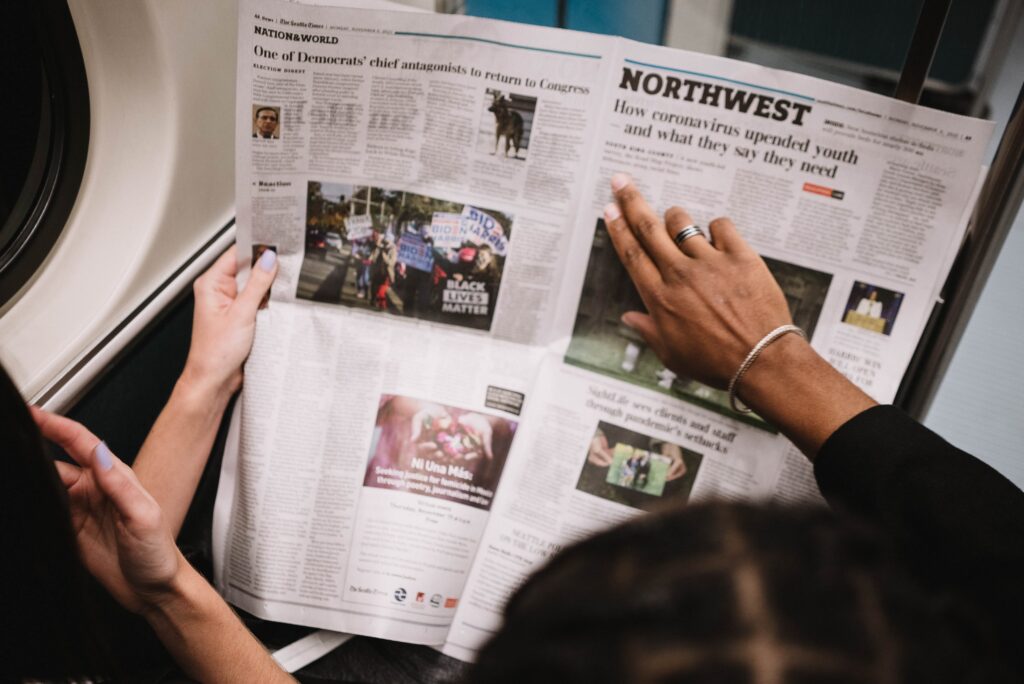
It is a form of marketing that promotes products and services through offline channels, including print media, direct mail, telemarketing, and outdoor advertising (billboards, banners, etc.).
Advantages Of Traditional Marketing
It connects well with the local market
When a business advertises locally, the residents relate more with it because they can readily access it and build positive relationships.
Traditional marketing is more ‘credible’ and tangible than digital marketing.
Most people tend to believe more in ads that they can see and even touch! Ads found on billboards, newspapers, and even TV create a perception that the brand is thriving and credible.
Better retention of traditional advertiser messages than on digital marketing.
Traditional forms of marketing are more recognizable and understandable when seen on hard copy marketing collateral like brochures and magazine ads. These ads also have a higher level of brand recall than the ads swiped on social media.
Traditional marketing can supplement a brand’s exposure
It is an excellent avenue you can use to get the customers you may miss out on through your digital marketing efforts. It is crucial to know that not all customers access the internet and see your digital adverts.
Disadvantages Of Traditional Marketing
Traditional modes of promotion cannot be updated.
Updating ads in traditional marketing means that you have to create a new ad altogether. This means additional costs of producing hard copy materials.
Less information communicated
It isn’t easy to display all the information that you wish to. For example, presenting information regarding your brand’s complex pricing options is not easy. You would require a lot of space on a flier to convey this information.
It is a costly form of marketing.
Placing ads on different media like newspapers and flyers is very expensive. To launch a new marketing campaign, you need to pay for the production and distribution of your ads afresh.
Conclusion
Digital marketing and traditional marketing are both important. The best marketing strategy for your business depends on what you’re trying to achieve, your resources, and your target audience. However, it is clear that digital marketing will continue expanding in the coming years while traditional forms of advertising are becoming less effective. Until then, get the most of each by using a mix of both types of advertising.
DIY marketing is a thoughtful idea but not a very effective one! This is because the most effective digital marketing strategy needs the touch of an experienced digital marketer. It also saves you unnecessary waste of time, effort, and potential losses from trial-and-error work. A highly qualified digital marketer will efficiently carry out the processes of analyzing results, nurturing and retaining leads, and building websites with good SEO and more. As much as DIY digital marketing sounds like a noble idea, we should leave it in the hands of more qualified professionals!
Give us a call today at 310-340-0619 today and claim your FREE Digital Marketing Audit today! We’ll talk soon.